
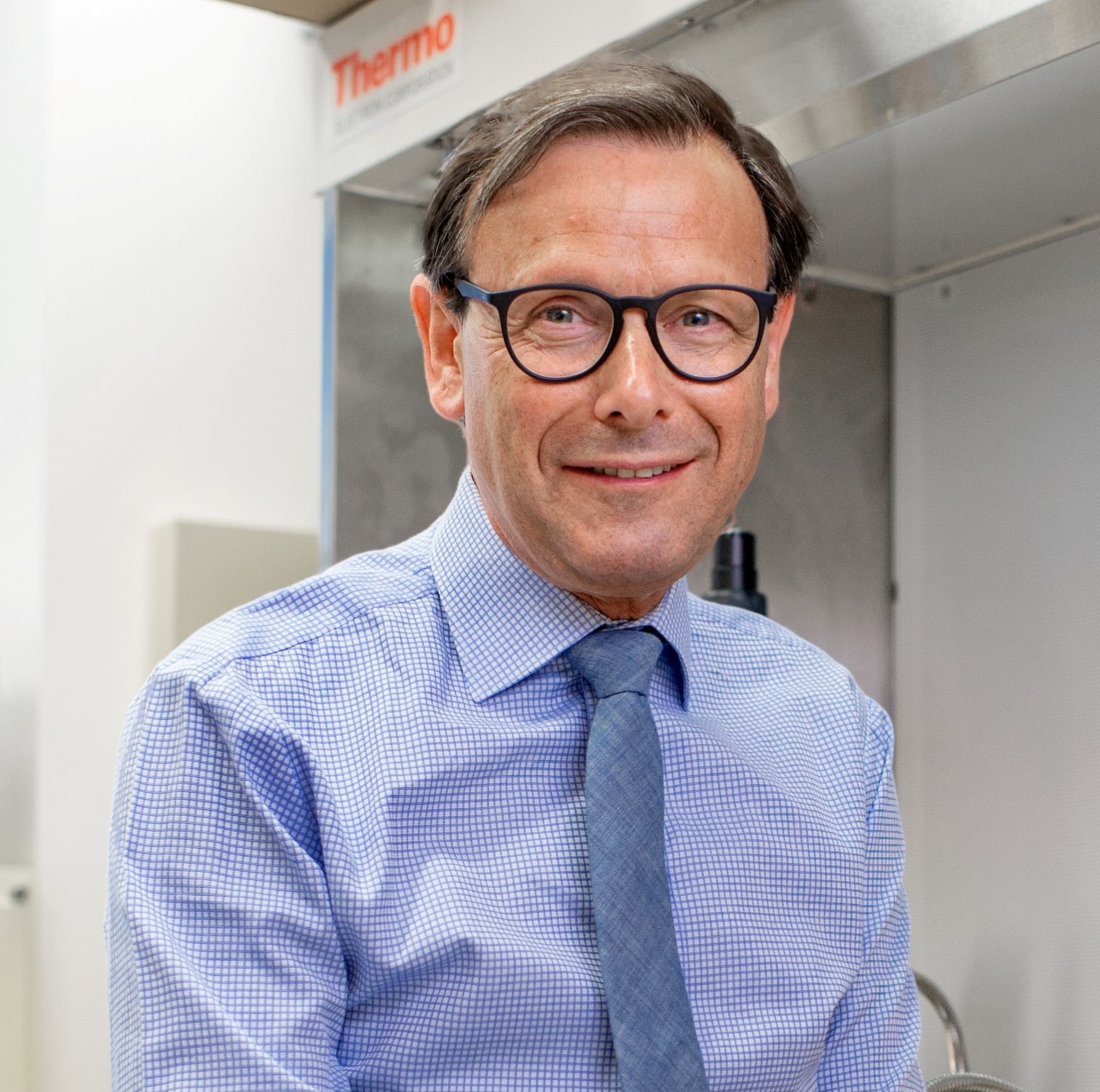
Dr. James Shapiro
Principal Investigator
Dr. Shapiro is a tenured Professor of Surgery, Medicine and Surgical Oncology at the University of Alberta, Fellow of the Royal Society of Canada, a Fellow of the Canadian Academy of Heath Sciences, and an internationally acclaimed academic leader in the field of transplantation surgery.
Dr. Shapiro led the ‘Edmonton Protocol’ team that revolutionized outcomes of islet cell transplantation in Type 1 Diabetes (T1DM), where over 90% of patients were rendered insulin free after intraportal islet delivery and steroid-free immunosuppression. He has since led/co-led three major ongoing international multicentre trials (ITN, NIH Consortium, and Novo Nordisk) to further improve outcomes. The organization of international trials is a time consuming and demanding endeavor, but is seen as an important leadership contribution to advance both the science and acceptance of cellular replacement therapies in diabetes.
Over 1,000 persons living with diabetes have undergone islet transplantation worldwide since 2000, and as Director of the Clinical Islet Transplant Program, Dr. Shapiro has been awarded the Canadian Research Chair in Transplant Surgery and Regenerative Medicine by the Government of Canada. In 2011, he was appointed as a Fellow of the Royal Society of Canada, a highly prestigious award, and one of the top honours to be held by a Canadian scientist. He previously held the inaugural CIHR-Wyeth Clinical Research Chair in Transplantation. He holds the Gold Medal in Surgery from the Royal College of Physicians and Surgeons of Canada, and the Governor General’s Gold Medal. He is an accomplished and talented hepatobiliary and pancreatic transplant and oncology surgeon, and carried out the first living donor liver transplant in Western Canada, and the first pancreas transplant in Alberta.
Dr. Shapiro has been able to leverage remarkable additional research resources, both financial and non-financial, through the University of Alberta. The Alberta Diabetes Institute came about as a direct result of Drs. Shapiro and Rajotte’s approach to senior administration at the UofA in the immediate wake of the Edmonton Protocol success. This institute, now known as the ADI/Li Ka Shing Centre for Health Research Innovation was established in 2007 as a standalone 200,000 ft 2 facility dedicated to experimental diabetes research at the University of Alberta. His research protocols include first-in-human clinical trials of caspase inhibitors to prevent apoptosis after clinical islet transplantation and subcutaneous islet transplantation in a prevascularized device.
At the University of Alberta, Dr. Shapiro has served as primary or co-supervisor for 9 post doctoral Fellows, 16 PhD students, 11 MSc students and 25 international fellows in hepatobiliary surgical oncology, liver and multiorgan transplant surgery.
His current research involves the production of autologous stem cell derived islets as a curative therapy for persons living with diabetes in a newly established pre-clinical manufacturing facility, the Shapiro Stem Cell Diabetes Laboratory (SSCD), at the University of Alberta.
Dr. Shapiro
Principal Investigator
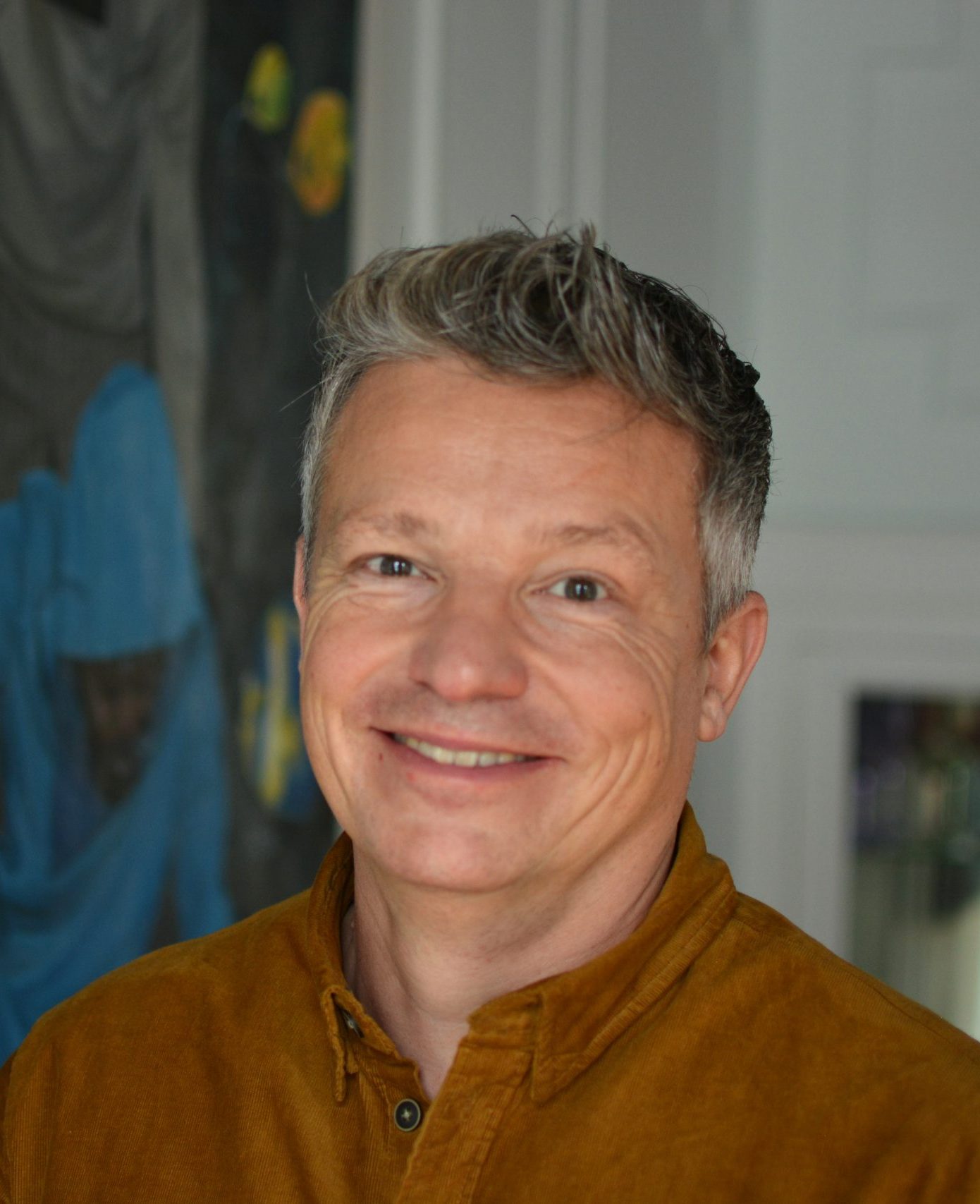
Christian Schuetz
Senior Research Associate
Christian is a translational scientist and physician with more than two decades of experience in islet transplantation, stem cell biology, immunology and transplant surgery. He earned his MD and PhD from the University of Cologne School of Medicine and trained in general and transplant surgery. Following clinical training, he pursued postdoctoral research at the Massachusetts General Hospital/Harvard Medical School and the Harvard Stem Cell Institute where he helped establish and run a cGMP facility for clinical islet transplantation and conducted research in transplant tolerance and stem cell differentiation to pancreatic islets (sc-Islets). He continued to work on the intersection of sc-Islets and transplant tolerance as junior faculty at MGH and at the Columbia Center for Translational Immunology. For the past 5+ years he has helped build biotech startup companies, leading R&D and clinical translation of sc-Islets and novel immune tolerance and transplant site strategies at Diagon Therapeutics and Minutia Inc.
Christian’s research was published in numerous peer-reviewed publications and presented at invited talks at international meetings. He served on the Education Committee and the inaugural Young Investigator Committee of the International Pancreas and Islet Transplant Association (IPITA) and as a grant and manuscript reviewer of multiple transplant and diabetes journals.
Christian Scheutz
Senior Research Associate
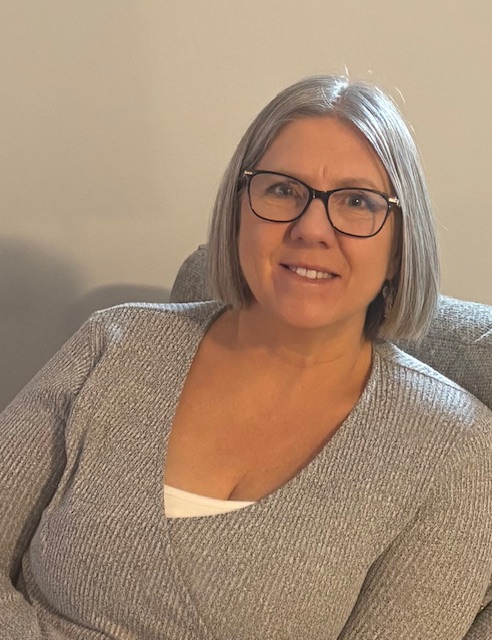
Rena Pawlick
Senior Technician and Lab Manager
Rena Pawlick is a Laboratory Technologist in the Shapiro Research Laboratory and the Stem Cell Diabetes Laboratory.
She has specialized in islet cell biology and microsurgery for over 20 years and her work is currently focused on the differentiation of stem cell lines into islet-like cells followed by transplantation as a cure for diabetes.
She has worked in both the private and academic sector after completing her undergraduate studies specializing in Biotechnology at the University of Alberta.
Rena Pawlick
Senior Technician and Lab Manager
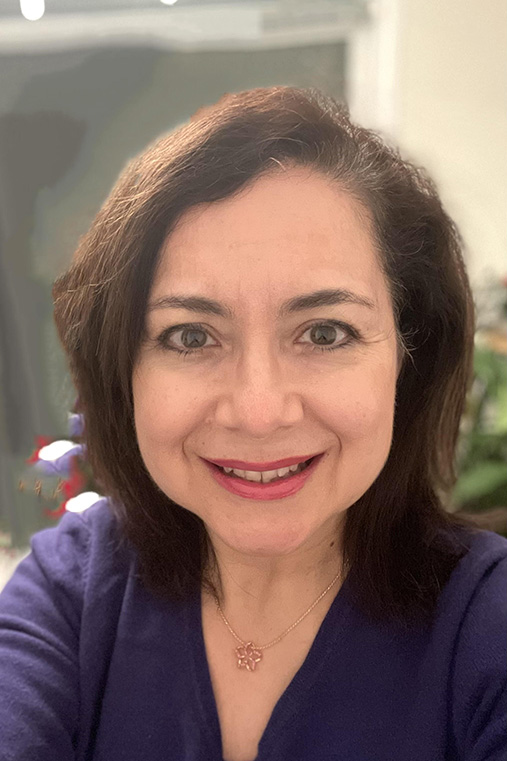
Haide Razavy
Technician - Cell Culture Specialist - I
Haide Razavy is a Biological Technologist in the Shapiro – Stem Cell Diabetes Laboratory.
She completed a MSc degree at the University of Alberta and has advanced her career working as an immunologist and biologist in both Canada and the United States. Her present work focuses on batch processing, maintenance of cell lines, the cryopreservation banking of cell lines and expansion of cells for differentiation.
Haide Razavy
Technician -
Cell Culture
Specialist - I
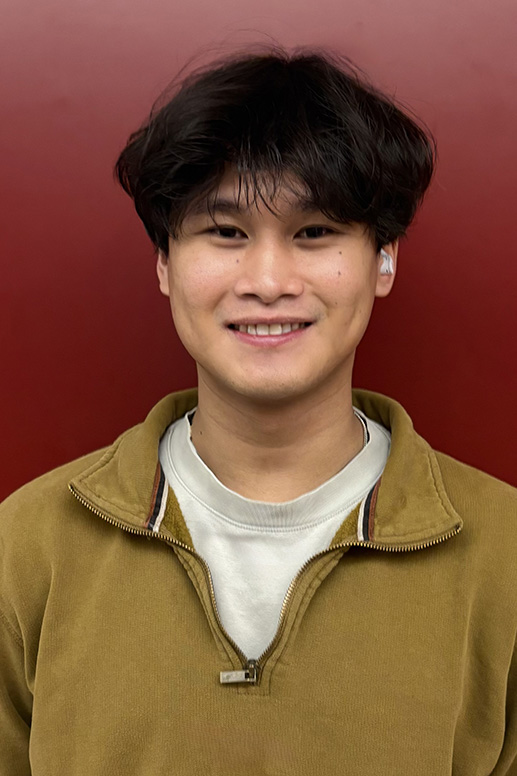
Dominick Villasor
Quality Control and Assurance Specialist - II
Dominick Villasor completed his Bachelor of Science in Immunology & Infection at the University of Alberta in June 2024.
He began his career as a Laboratory Technician in the Shapiro – Stem Cell Diabetes Laboratory in September of the same year. Dominick is currently involved in the molecular and genetic Quality Assurance for stem cell line production.
Dominick Villasor
Quality Control and Assurance Specialist - II
Preeti Bhatt
Quality Control and Assurance Specialist - I
Preeti Bhatt received a MSc in Experimental Medicine at McGill University and continued to expand her career at the Montreal Clinical Research Institute and StemCell Technologies in Vancouver.
As a Quality Assurance Specialist in the Shapiro – Stem Cell Diabetes Lab, she is responsible for the quality control testing and safety profiling of the cells needed for their characterization prior to advancing towards clinical trials.
Preeti Bhatt

Quality Control and Assurance Specialist - I
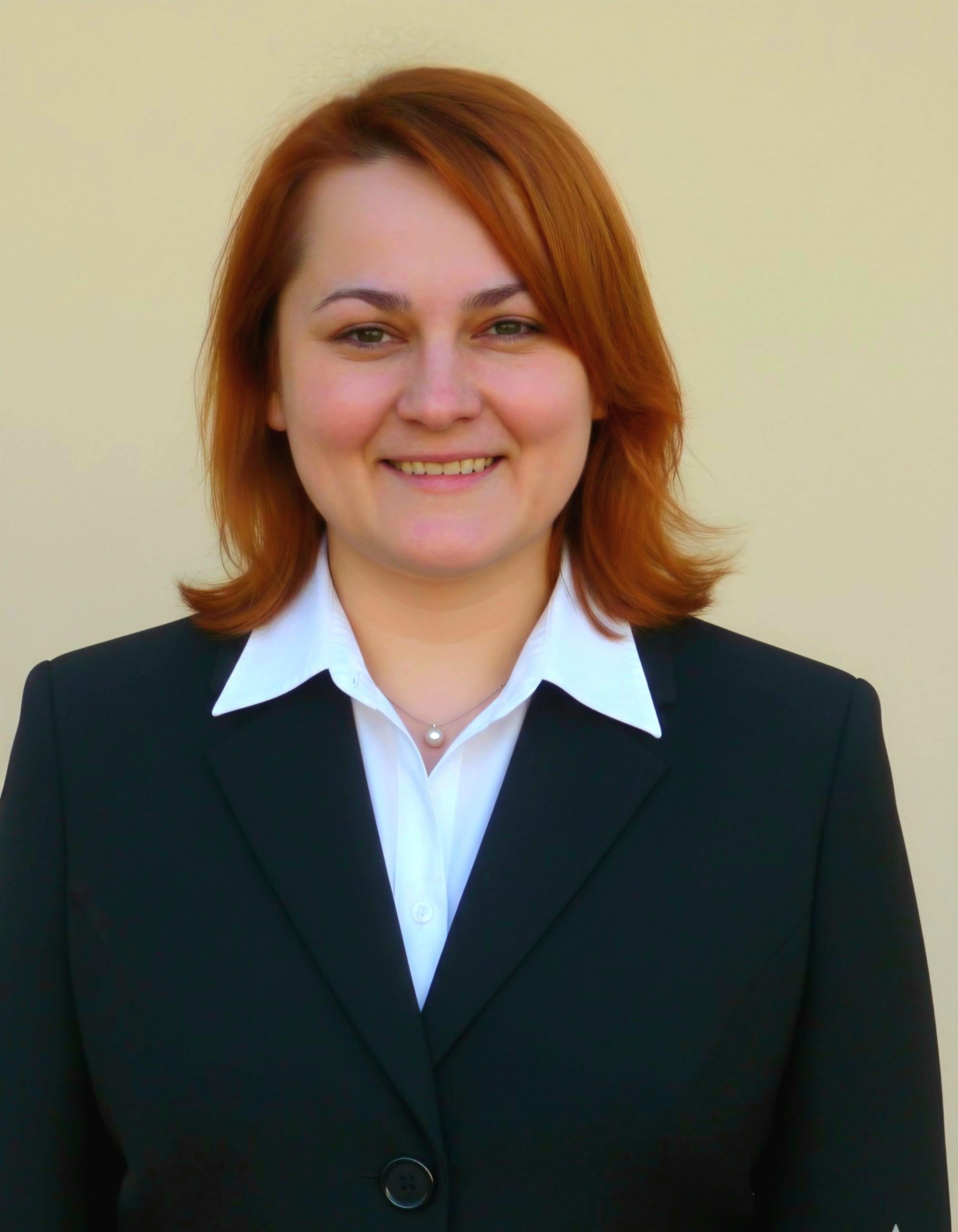
Olena Melnykova
Technician - Cell Culture Specialist - III
Olena is a Laboratory Technician in the Shapiro – Stem Cell Diabetes Laboratory at the University of Alberta. She works with human induced pluripotent stem cell (iPSC) lines, focusing on their maintenance, characterization, and flow cytometry analysis during the early stages of differentiation toward pancreatic islet cells.
Before joining the University of Alberta, Olena worked in laboratories in Ukraine and Canada, where she gained experience in stem cell isolation and culture, immunology, and DNA and RNA analysis. She holds an MSc degree in Molecular Genetics from Taras Shevchenko National University of Kyiv, Ukraine.
Olena
Melnykova
Technician -
Cell Culture
Specialist - III
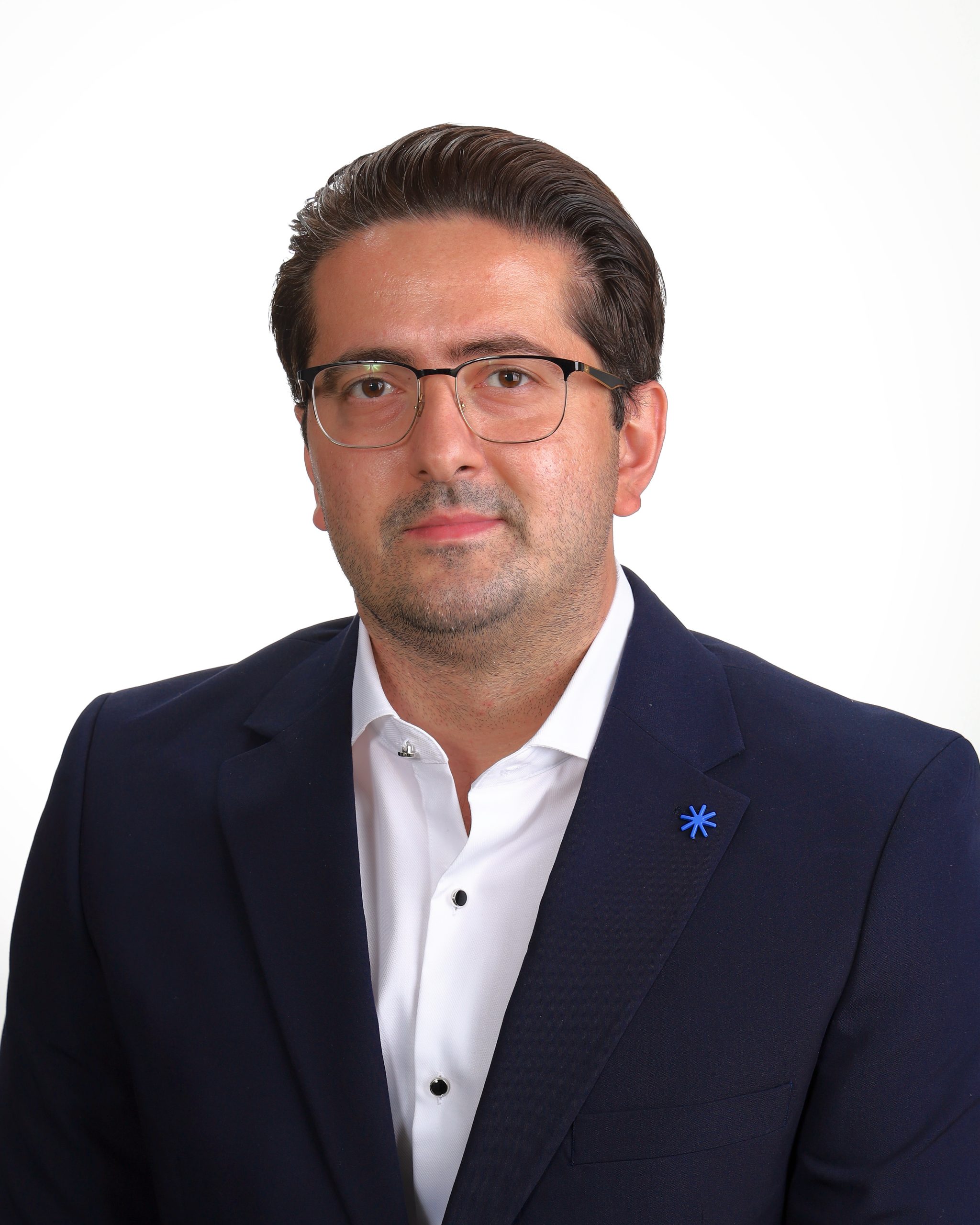
Alireza Ahadiabhari
Laboratory Technician
Alireza Ahadiabhari is a Laboratory Technician in the Clinical Islet Transplant Program within the Department of Surgery, Faculty of Medicine & Dentistry at the University of Alberta. He holds a Master of Science degree in Anatomy, Physiology, and Pharmacology from the University of Saskatchewan, where his graduate research investigated cellular stress-response pathways regulated by Nuclear Factor Erythroid 2-Related Factor 1 (NRF1) in the study titled “NRF1 is Stimulated by the Nutraceutical Celastrol at Proteasome-Inhibiting Doses.”
With a background in cellular and molecular biology, Mr. Ahadiabhari’s work focuses on the culture, maintenance, and quality control of human induced pluripotent stem cells (hiPSCs), as well as on downstream functional assays. He applies molecular and analytical techniques, including quantitative PCR (qPCR), flow cytometry, to support translational research aimed at advancing cell-based therapies and regenerative medicine.
Alireza
Ahadiabhari
Laboratory Technician
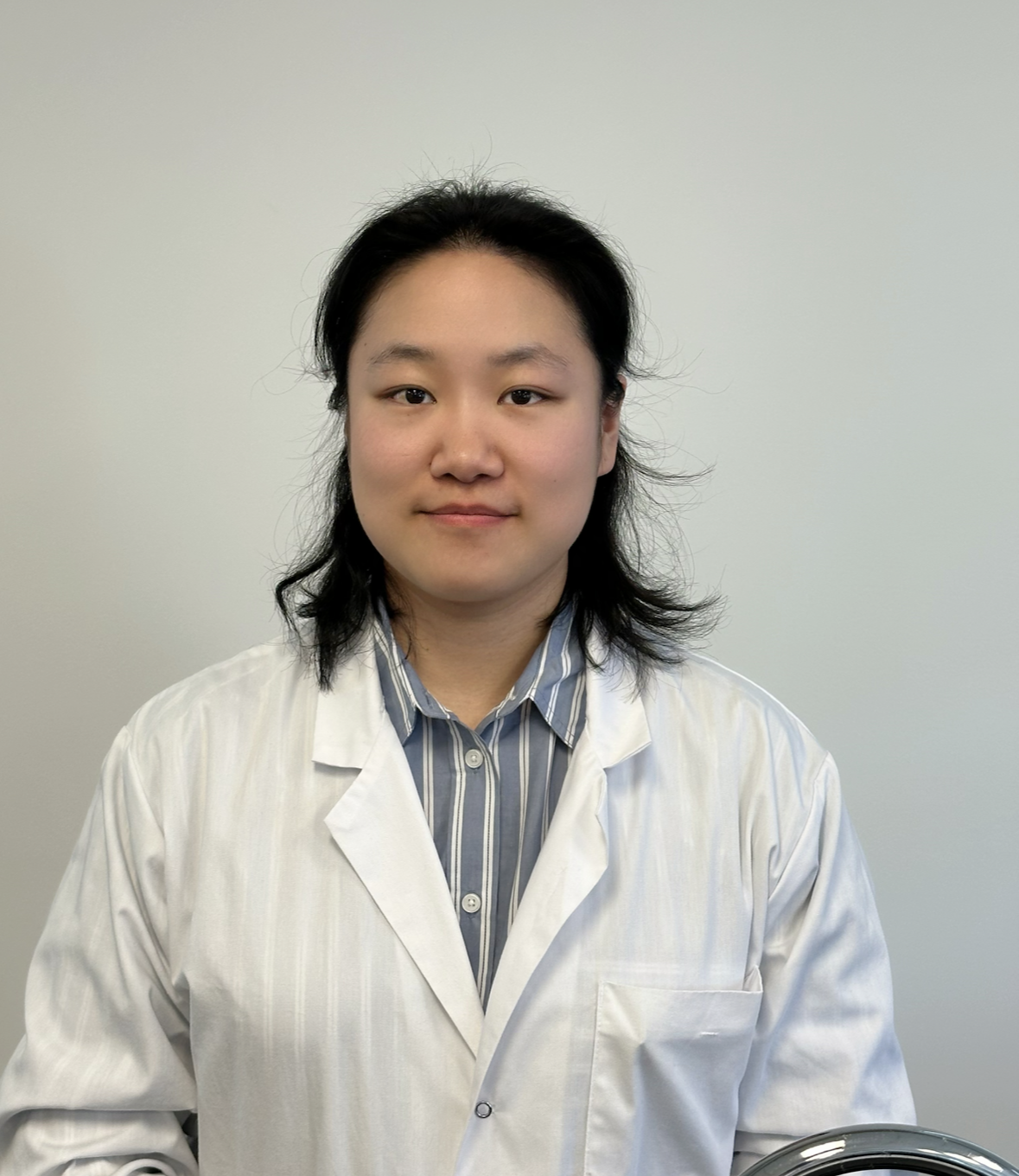
Charlotte Cui
Laboratory Technician
Charlotte Cui received her HBSc in Bio-Medical Sciences at the University of Guelph in 2021 and her Laboratory Research and Biotechnology diploma at Northern Alberta Institute of Technology (NAIT) in 2025. She began her professional journey at the Shapiro – Stem Cell Diabetes Lab in the summer of 2025.
In this lab, she has been focusing on batching reagents, animal work, iPSC cell line maintenance, quality assurance analyses such as Perifusion and ELISA, and equipment maintenance work.
Charlotte Cui
Laboratory Technician
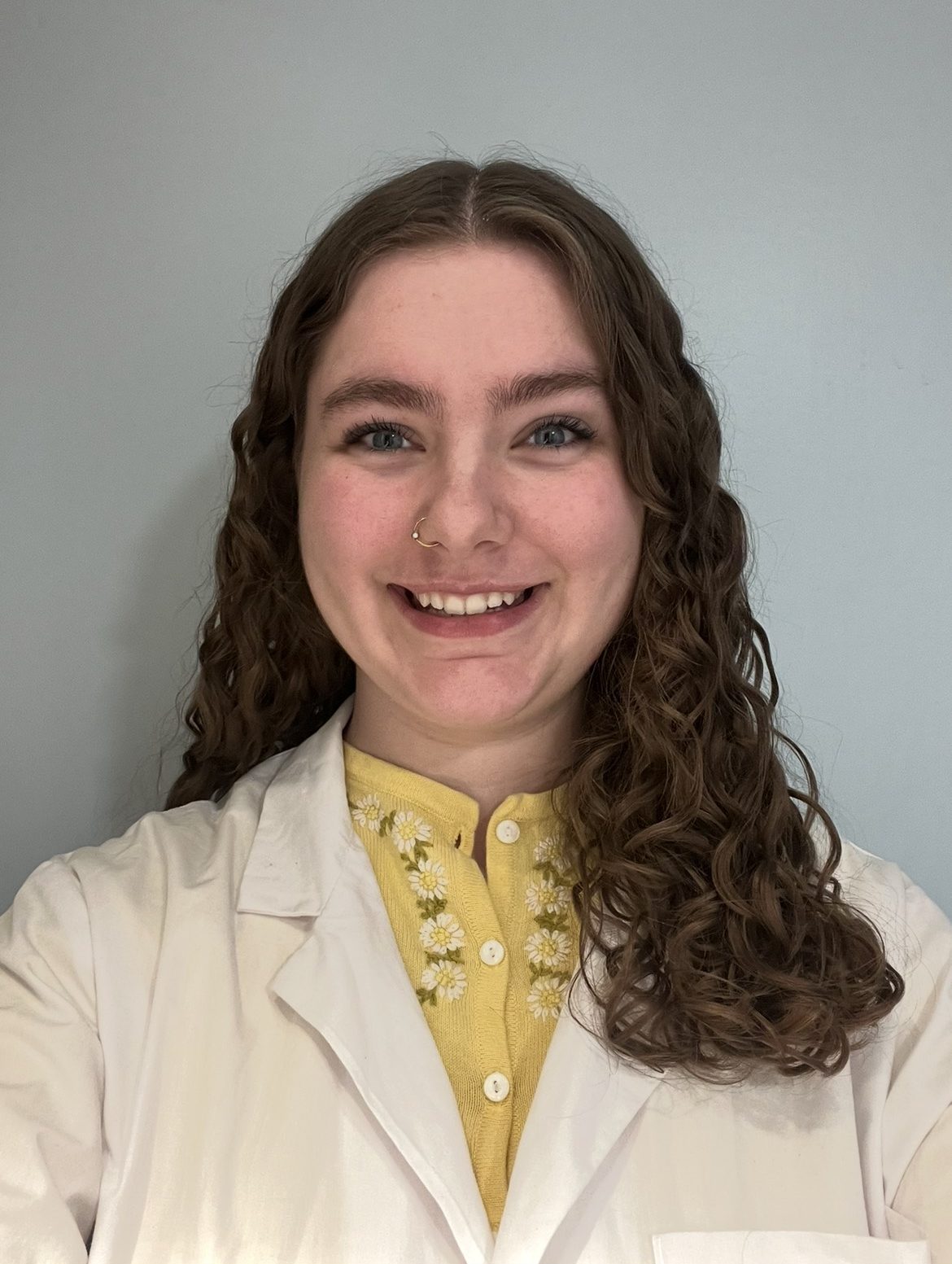
Emily Green
Laboratory Technician
Emily Green is a Laboratory Technician in the diabetes and stem cell research lab of Dr. James Shapiro.
She has achieved a diploma in Laboratory Research and Biotechnology from the Northern Alberta Institute of Technology in June of 2025. Two short months later in early August of 2025, she started her laboratory career and joined the research team of the Shapiro Laboratory.
Emily is mainly focusing on performing molecular biology quality assurance tests such as perifusion and ELISAs. She has begun perfecting the maintenance and expansion of iPSCs, to hopefully move towards differentiating into Islet cells in the near future.
Emily Green
Laboratory Technician
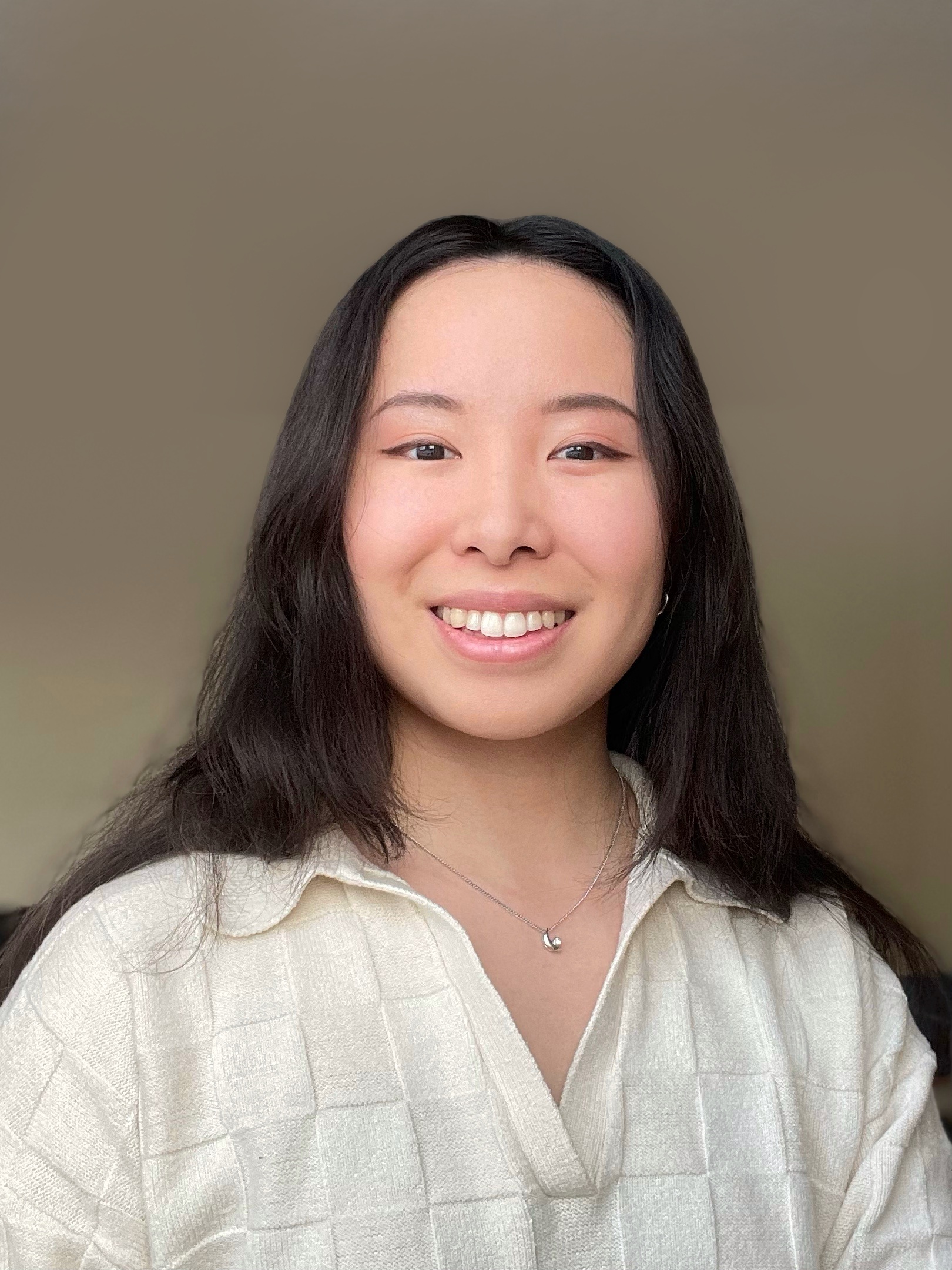
Vanessa Ho
Laboratory Technician
Vanessa Ho received her MSc in Biological Sciences at the University of Alberta where she studied signaling mechanisms of coordinated behaviour in sponges and the evolution of the nervous system.
With a background in physiology, cellular, and molecular biology, her current work at the Shapiro Stem Cell Diabetes Lab focuses on stem cell culture, maintenance, and characterization.
Vanessa Ho
Laboratory Technician
Post-Doc Fellowship
Graduate Students
-
Nidheesh Dadheech, PhD – Assistant Professor of Medicine at SUNY Upstate Medical University
-
Ila Tewari Jasra, PhD – Associate Staff Scientist at the University of Cincinnati
-
Nerea Cuesta-Gomez, PhD – Postdoctoral Fellow at the Korbutt and Pepper Lab, University of Alberta
-
Andrew Pepper, PhD – Associate Professor at the University of Alberta
-
Juliette Emamaullee, PhD – Director of Transplant Research at the University of Rochester
-
Ehab Rafael, PhD – Transplant surgeon at Skane University Hospital
-
Peter Senior, PhD – Director of Alberta Diabetes Institute at the University of Alberta
-
Bin Luo, PhD – Clinician at Beijing Tsinghua Changgung Hospital
-
John Casey, PhD – Consultant Transplant Surgeon at the University of Edinburgh
Zosia Prus-Czarnecka Kevin Verhoeff Alex Webb Joshua Hefler
Braulio Marfil Mariusz Bral Antonio Bruni Nasser Abualhassan
Boris Gala-Lopez David Al-Adra Christian Toso Michael McCall
William Chan Jennifer Plester Mylvaganam Jeyakantham Sarah Ghotbi
Grant Wooldridge Shaheed Merani Mohamedreza Mirbalooki Wayne Truong
Wendy Zhai Chantal Bussiere Carl Tan Brad Haquoil
Sulaiman Nanji Jose Avila