
Our Research
Discover how our research towards finding a cure for diabetes is progressing and get information on our current projects
"Under the direction of Dr. A.M. James Shapiro the Research Laboratory has always worked towards the goal of finding a cure for diabetes. "
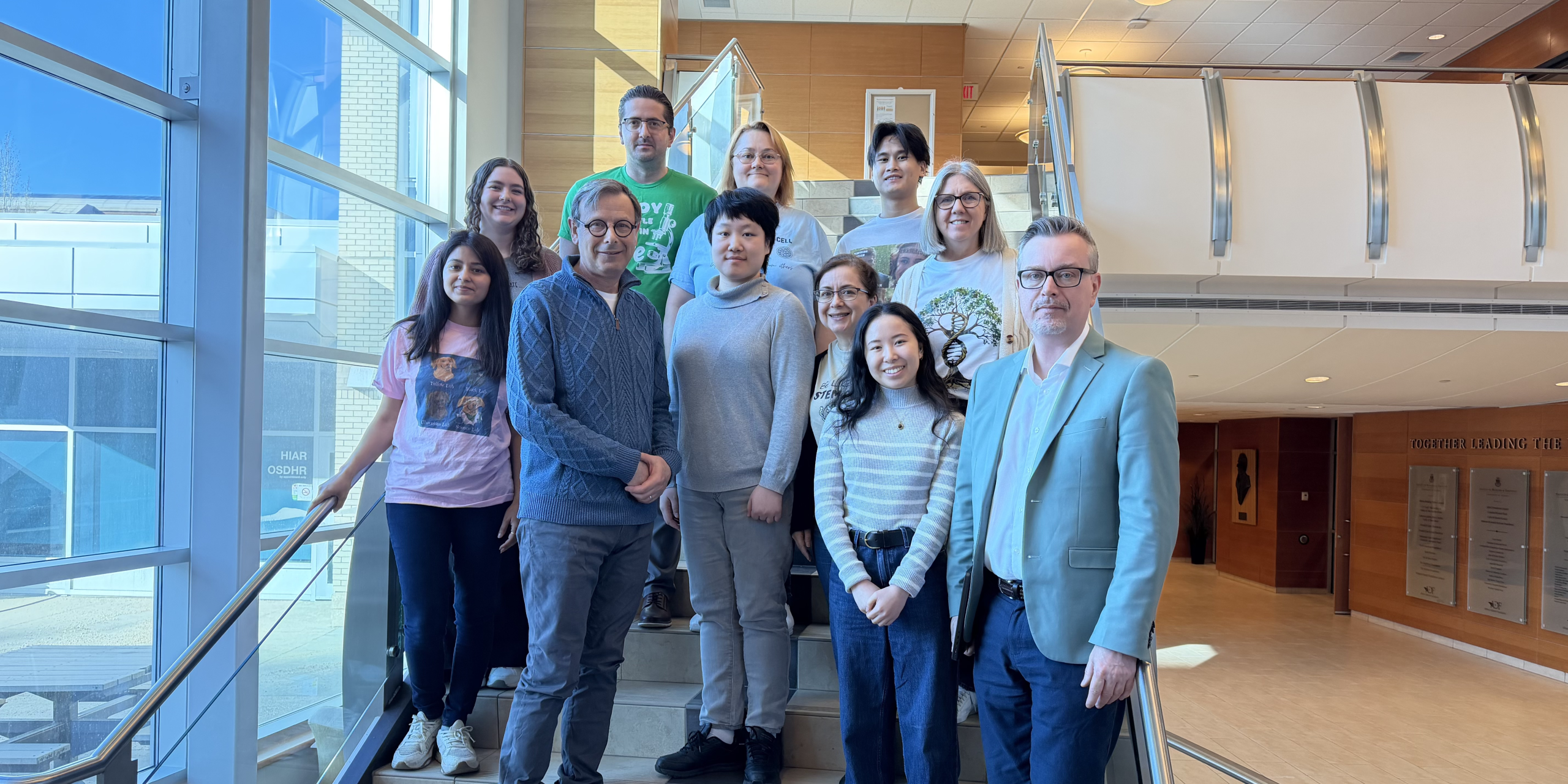
Since 2000, the Edmonton Protocol for islet transplantation, the Clinical Islet Transplant Program, has offered an effective cell-based therapy for patients particularly for those living with brittle Type 1 Diabetes (TID).
The treatment, however, is available to only a small fraction (5-10%) of persons with T1D, because of the need for chronic immunosuppression as well as the shortage of donors.
In the research lab we continue to strive to improve the outcomes of islet transplantation by optimizing isolation techniques, culture conditions and transplantation. Recently several groups, including our own, have developed six or seven stage differentiation protocols to generate stem cell-derived islets (SC-islets), with prolonged in-vitro differentiation resulting in cells similar to adult human islets.
Working with induced pluripotent stem cells (iPSCs) reprogrammed from an individual’s blood sample, our lab is able to expand and differentiate cells into insulin-producing pancreatic SC-islets.
This new division of research, the Shapiro – Stem Cell Diabetes Lab located in the Alberta Diabetes Institute at the University of Alberta, produces human SC-islets derived from personalized iPSCs showing promise for an unlimited cell supply without immunity concerns – potentially mitigating the need for immunosuppression.